Year-end budget meetings often start with the same question: what will it cost to keep the property running next year? For property managers and HOA boards, the landscape deserves a second question: what should we improve, rather than simply keep maintaining?
A tired entrance, a walkway that needs attention, or a lawn that keeps needing replacement can get lost inside one general landscaping line item. A clear plan helps separate everyday upkeep from projects that deserve their own budget.
You do not have to renovate the entire property at once. Start with a walkthrough, put the most important work first, and build a realistic plan for the next few years.
Start With a Walkthrough
Walk the grounds with your landscape provider before requesting prices. Bring photos, maintenance notes, resident feedback, and records of recurring repairs. For North Florida properties, pay particular attention to shade, drainage, and coastal exposure where relevant.
Organize the review around four questions:
- How does the property look? Check entrances, signs, parking islands, and gathering areas. Look for empty beds, overgrown shrubs, mismatched plantings, and worn lawn edges.
- Where are the safety concerns? Note uneven paving, plants blocking sightlines, branches interfering with walkways, and water collecting where people walk. Flag urgent hazards for prompt action rather than leaving them on next year’s wish list.
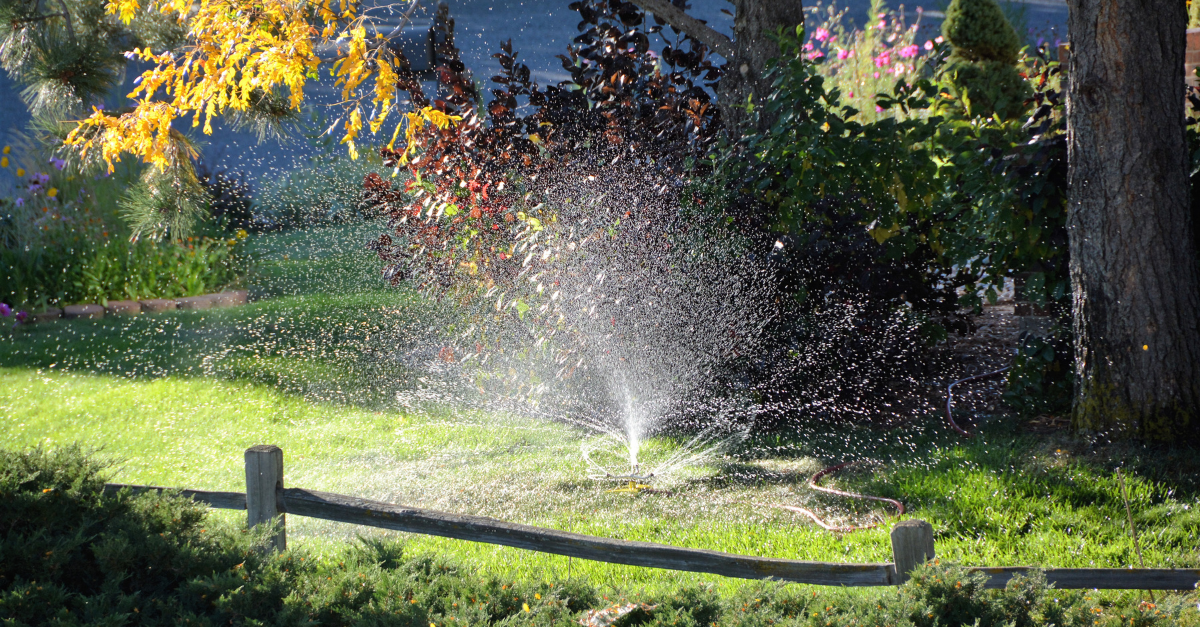
- Is irrigation working properly? Look for leaks, broken heads, overspray, and areas that stay too wet or too dry. Review controller settings and available water-use records.
- Are the plants suited to the site? Identify repeated plant losses, thinning grass, crowded beds, and shrubs that require constant cutting back. Find out why an area struggles before paying to replace it again.
Take a photo of each issue and record its location, the recommended next step, and its priority. That turns a general request to “improve the landscaping” into a list the board can discuss.
A landscape walkthrough can help identify concerns, but it is not a substitute for a qualified safety, accessibility, engineering, or legal assessment where one is needed. Repairs can address hazards; no landscape project removes all liability.
Separate Upkeep From Upgrades
Mowing, routine pruning, and regular bed care keep the property maintained. Rebuilding a planting bed, adding a paved seating area, or replacing part of an irrigation system is a different kind of expense.
List proposed improvements separately from your regular maintenance agreement so everyone can see what is included and what needs additional approval. Confirm with the association’s financial adviser which costs belong in operating funds, reserves, or another approved funding source. Do not assume every landscape improvement can be paid from reserves.
Keep a separate allowance for unexpected repairs, based on the property’s condition and the uncertainty in the proposed work. A contractor’s site assessment is more useful here than picking a standard percentage without context.
Choose Projects That Matter
The best project is not always the largest or most visible one. Budget for work that solves a clear problem and fits how people use the property.
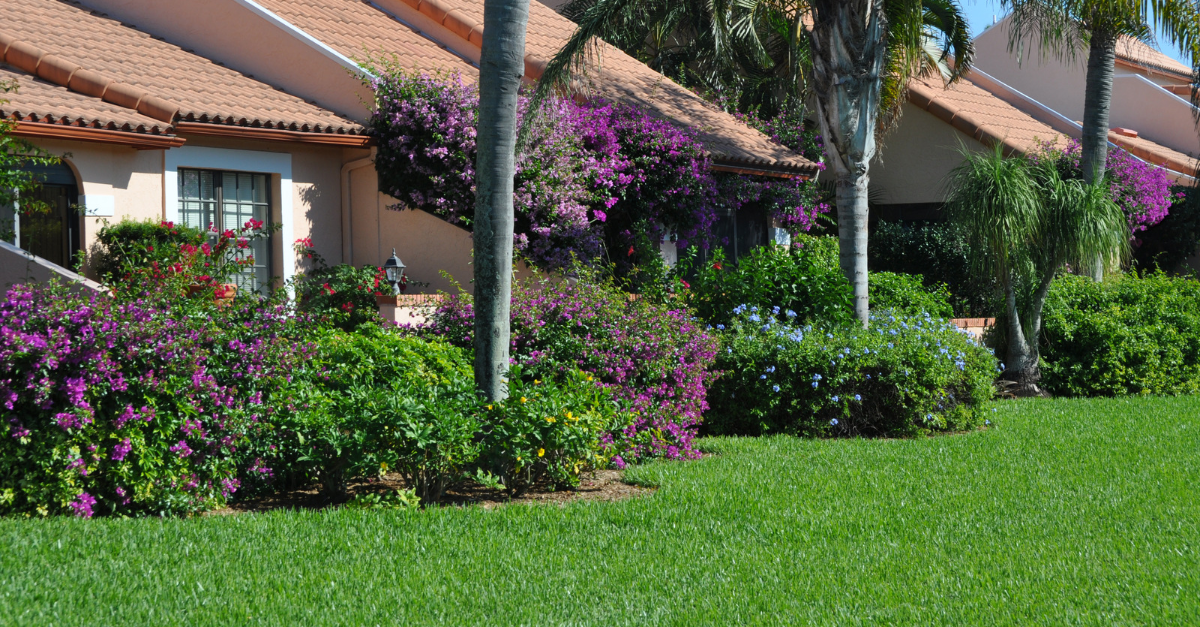
- Bed renovations: Refresh worn entrances or common areas with a coordinated planting plan. Allow for removal, soil preparation where needed, edging, mulch or rock, and irrigation changes. Choose plants for their mature size and the site’s sun, moisture, and exposure.
- Paver projects: Consider repairs or improvements to paths, seating areas, and gathering spaces. Include the base preparation, drainage, access needs, and any applicable accessibility requirements, not just the paving material.
- Retaining walls: Where changes in ground level call for a wall, have the site assessed before setting the budget. Drainage, soil conditions, structural design, and permit requirements can affect the scope. A decorative wall is not automatically a solution to erosion or drainage problems.
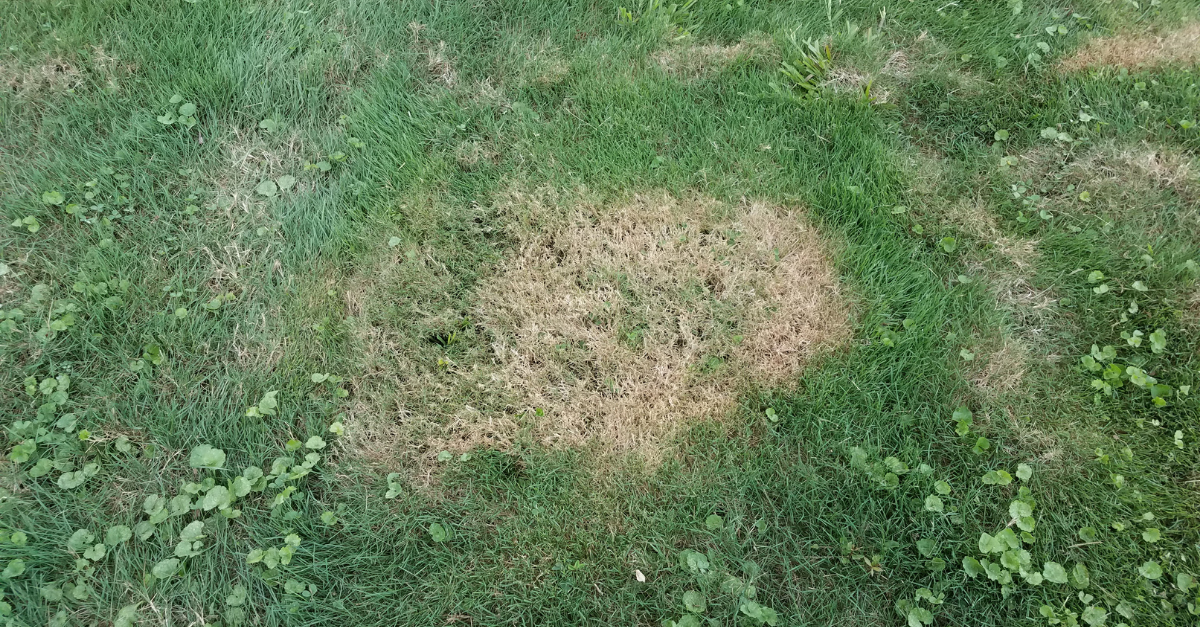
- Sod replacement: Repair bare or damaged lawn after addressing the cause, such as poor sprinkler coverage, heavy foot traffic, or too much shade. Budget for preparation, installation, and care while the new grass takes root.
- Irrigation upgrades: Start with needed repairs, then consider better coverage, working rain sensors, or a controller upgrade where appropriate. New equipment still needs correct setup and maintenance; do not assume a particular water-bill saving without assessing the system.
For an overview of Ocean View’s installation work, visit our Landscape Installations & Enhancements page. Discuss the exact scope of any hardscape or structural project during planning, including whether specialist design or permits are needed.
Compare Complete Estimates
Two quotes are only useful to compare when they cover the same work. Ask for a written scope showing quantities, materials, plant sizes, site preparation, removal and disposal, and any irrigation adjustments.
Also ask what is excluded. Design fees, permits, engineering, difficult access, and repairs to disturbed areas can change the total. Include aftercare and any added maintenance costs so the board understands the expense beyond installation day.
For each proposal, record the problem being solved, the estimated cost, the proposed timing, and any work that must happen first. Confirm how long the price is valid and what could trigger a change. Avoid presenting an early planning estimate as a fixed construction price.
Build a Multi-Year Plan
A larger improvement can be split into phases that fit annual budgets. The key is to plan the overall layout first, so one year’s project does not have to be removed for the next.
For example, a property might organize its plan this way:
- Year one: Address urgent repairs promptly, fix irrigation problems, investigate drainage concerns, and renovate the main entrance beds.
- Year two: Complete an approved walkway or gathering-area project, including any required design, drainage work, and permits.
- Year three: Refresh secondary beds and replace remaining worn turf once the underlying problems are addressed.
This is an example, not a fixed schedule. Safety concerns should not wait for a later phase. Work below ground or heavy construction should generally happen before installing the plants and sod it could disturb.
Revisit the plan each year. Prices, site conditions, and board priorities can change. Keep a shared record of materials and plant selections so the finished property looks coordinated even when work spans several budgets.
Plan for Life on Site
Installation affects the people who live, work, and visit there. Discuss access, parking, deliveries, temporary closures, and resident notices before setting dates. Hotels and office parks may need work scheduled around busy periods, while HOA projects may need board approval before materials are ordered.
Include a handover plan: who will water new plantings, check the sprinklers, monitor the work, and handle questions afterward? Confirm that new-plant watering follows current local restrictions.
Bring Ocean View Into the Plan
Ocean View Landscape Management’s in-house installation division can help property managers plan renovations and long-term landscape improvements. Involving the installation team alongside your maintenance provider helps connect what the property needs today with what you want it to become.
Our Commercial Grounds Maintenance services support North Florida HOAs, condominium communities, hotels, office parks, and other commercial properties. Pairing that ongoing care with a clear enhancement plan gives the board a more complete picture than budgeting for maintenance alone.
Contact Ocean View to discuss a property walkthrough and your next budget cycle. Bring your priorities and budget range so the conversation can focus on practical options, project order, and manageable phases.
Planning Guidance
The site-review and plant-planning advice in this article draws on UF/IFAS: Landscape Design: Ten Important Things to Consider, which explains the importance of assessing soil, drainage, sunlight, existing plants, and both installation and ongoing maintenance costs. Project pricing, funding decisions, and approval requirements need to be confirmed for your property.