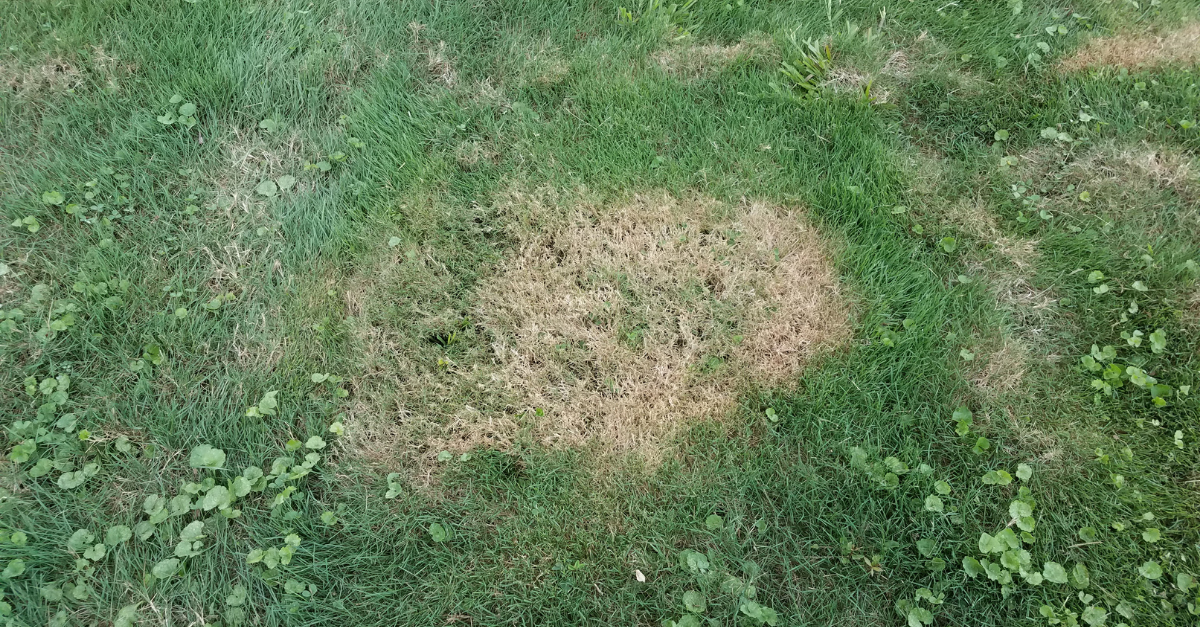
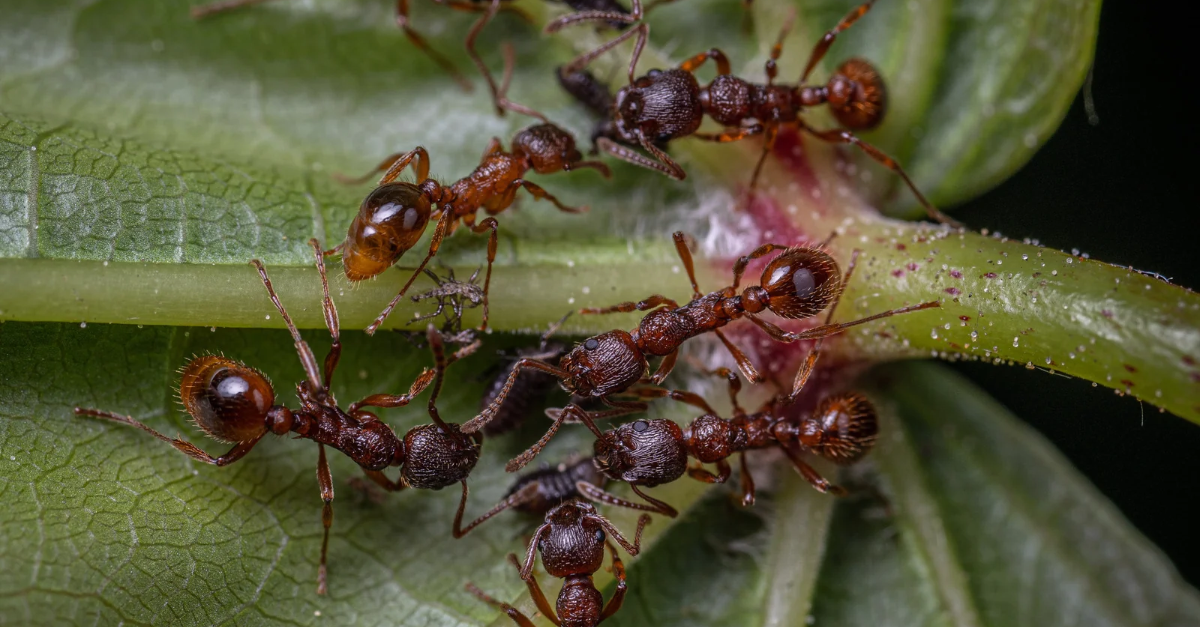
Milder weather makes it easier to enjoy North Florida’s lawns, courtyards, and outdoor gathering spaces. Unfortunately, people are not the only ones taking advantage of the change. Fire ant colonies that expanded through the warm, rainy months may still be well established, and their mounds can become hard to ignore as residents, guests, and employees spend more time outside.
Fall can be an effective window for treatment, but timing matters. The goal is not simply to knock down a visible mound. It is to manage the colony beneath it while conditions allow the treatment to work.
Why Treat Fire Ants in Fall?
North Florida’s long warm season gives fire ants time to build and expand colonies. Rain can prompt mound rebuilding and make fresh soil more noticeable, while mild weather brings people back to picnic areas, lawns, sidewalks, and playgrounds.
A conspicuous mound is only the visible portion of a larger underground system. Some active colonies have little obvious surface structure, so counting mounds alone may underestimate the problem.
Cooler weather does not mean the ants have disappeared. During mild fall periods, workers can remain active and collect food. That activity creates an opportunity for bait treatments before colder conditions reduce foraging. A calendar date alone is not enough: professionals consider actual ant activity, temperatures, moisture, and the product label before applying treatment.
Why Surface Sprays Fall Short
Spraying ants on top of a mound can produce quick, visible results, but killing exposed workers is not the same as eliminating a colony. The queen or queens and developing young are protected below ground, where a casual surface spray often does not reach.
If the reproductive portion of the colony survives, workers can be replaced and activity can return. Disturbing a mound may also cause ants to relocate, making the original spot look improved without resolving the underlying infestation.
That does not mean every mound treatment is ineffective. Properly selected, label-directed mound applications are different from spraying the surface with a general-purpose insecticide. Product choice, application method, and reaching the colony all matter.
Avoid kicking, digging into, or mowing directly over active mounds. Fire ants can respond aggressively when disturbed. Keep children and pets away from suspected colonies, and never use gasoline, bleach, or improvised chemical mixtures as a treatment.
How Broadcast Bait Works
Broadcast bait is distributed across an appropriate treatment area so foraging workers can collect it and carry it back to the colony. Depending on the product, the active ingredient can kill ants or interfere with colony reproduction. This approach can reach colonies that are not easy to identify from the surface.
Bait is not an instant knockdown treatment. Results depend on the active ingredient, colony activity, and application conditions, and may take days to weeks or longer. Fresh bait and favorable foraging conditions are important. Rainfall or irrigation near the application can affect some products, so label instructions must guide the timing.
For that reason, a professional should assess more than where the mounds are located. The weather forecast, watering schedule, site use, and any recent pesticide applications can all influence the treatment plan.
When to Treat Individual Mounds
Targeted mound treatments can complement an area-wide bait program, especially when active colonies are close to heavily used spaces. Examples include a mound beside an HOA playground, along a hotel walkway, or near an office park’s outdoor seating.
The best approach depends on how quickly control is needed and which products are appropriate for the site. Treatment sequencing matters: disturbing colonies or applying other products at the wrong time can interfere with bait collection. Professionals can coordinate the methods rather than treating them as interchangeable fixes.
Always follow application restrictions and keep people and pets out of treated areas for the period specified on the label. A treated mound should not be assumed safe immediately after service.
Reducing the Spring Rebound
Managing active colonies in fall can reduce the population that survives into the next growing season. Where a treatment affects the queen or colony reproduction, it can help limit the spring buildup rather than leaving an established colony to resume activity unchecked.
However, one fall application is not a permanent barrier. Colonies can move in from surrounding areas, and new infestations can develop. Follow-up inspections and treatment when warranted remain important.
A year-round pest program combines seasonal assessment, appropriate applications, and monitoring. Reporting new mounds between scheduled visits helps the provider respond to changing conditions instead of waiting for a larger problem.
Commercial Safety and Liability
For HOAs, hotels, and office parks, fire ants are more than a lawn appearance issue. Stings can injure residents, guests, staff, and pets; some people may experience a serious allergic reaction. Active colonies near frequently used areas can create complaints, disrupt amenities, and raise premises-liability concerns.
Property managers should prioritize routine inspections around playgrounds, pool surroundings, paths, entrances, picnic areas, and employee break spaces. When an active mound is identified, restrict access as appropriate, notify the service provider, and document the location, response, and follow-up.
Documented maintenance does not guarantee that a property is free of fire ants or eliminate legal liability. It does support a consistent response to known hazards. Specific legal obligations should be reviewed with the property’s legal or insurance adviser.
Plan for Year-Round Control
Ocean View Landscape Management lists Fire Ant Specific Application among its additional treatments. Ask about the appropriate scope and timing for your property rather than assuming fire ant treatment is automatically included in every turf visit.
Visit our Fertilization and Pest Services page to explore treatment options. For HOA communities, hotels, and office parks, our Commercial Grounds Maintenance services can support a coordinated approach to landscape upkeep and reporting concerns.
Seeing new mounds as your outdoor spaces get busier? Contact Ocean View Landscape Management to discuss a fall assessment and a treatment plan suited to your property.