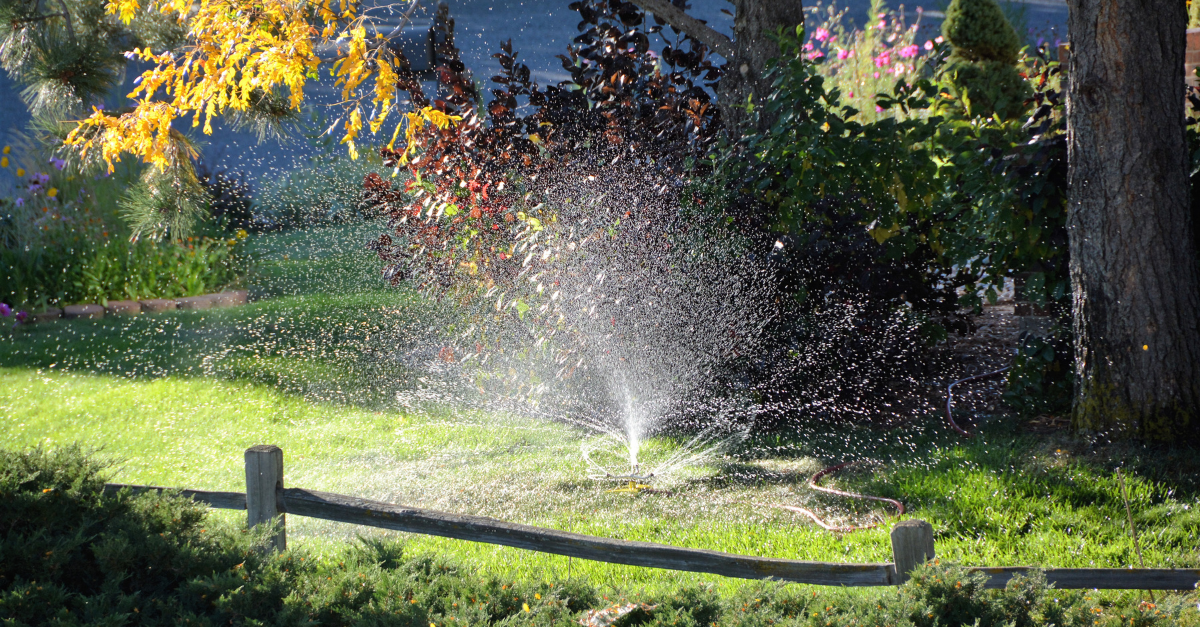
You might still need short sleeves during the day in St. Augustine, but cooler nights can change how much water your lawn needs. If your sprinklers are still running on the same schedule they used in July, it is time to check the timer.
The short answer: you may need to water less often. Grass grows more slowly in cooler weather, and the ground may stay damp longer. That does not mean you should turn the sprinklers off for the season. Check the yard first, then adjust.
Check the Lawn First
Before the next watering day, check a few sunny and shady spots. Feel the soil below the surface rather than judging by wet grass blades. Morning dew can make the grass look wet even when the ground is dry.
St. Augustine grass may need water when:
- The blades fold lengthwise.
- The grass starts looking blue-gray instead of its usual green.
- Your footprints stay visible instead of the grass springing back.
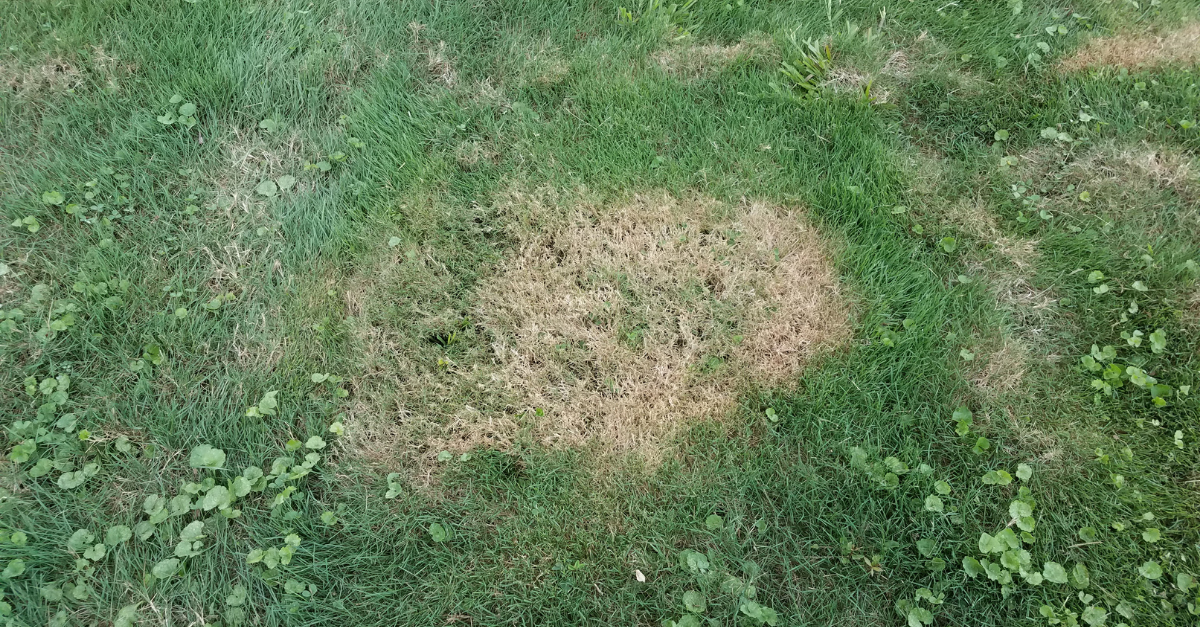
If the ground is still damp and you are not seeing those signs, you may be able to skip a watering. Brown or yellow patches alone do not mean the lawn needs more water. Bugs, fungus, and other problems can cause them, too.
New sod is different. If your lawn was recently planted, follow its care instructions and the watering rules for new plantings rather than treating it like an older lawn.
Water Less Often
Cutting back usually means leaving more time between waterings, not automatically cutting every sprinkler run in half. The goal is to get water down to the roots when the lawn needs it, without leaving puddles or sending water down the driveway.
That is the approach recommended by University of Florida lawn-care experts. A quick sprinkle every day can keep the surface wet without giving the roots what they need.
Take a few minutes to check these settings:
- Watering days and start times. Make sure an extra program is not watering the yard twice.
- The rain sensor. This device should stop unnecessary watering after enough rain. Make sure it works.
- Different parts of the yard. A shady lawn or flower bed may not need as much water as grass in full sun.
- Local rules. Only water on the days and at the times allowed for your property.
There is no single “run it for this many minutes” answer that works for every yard. Different sprinklers put out different amounts of water. If you are unsure how long yours should run, have the system checked rather than guessing.
Know Your Watering Rules
There is another reason to check your timer: local watering limits. When we checked on November 10, 2026, the St. Johns River Water Management District listed extra drought restrictions, called Phase III, for areas of St. Johns County within the district.
For properties covered by those rules, watering is generally limited to one day a week, with no watering between 8 a.m. and 6 p.m. The listed days are:
- Saturday: homes with an odd-numbered address or no address number.
- Sunday: homes with an even-numbered address.
- Tuesday: nonresidential properties, such as businesses.
Each sprinkler zone, meaning a group of sprinklers that runs together, is limited to no more than three-quarters of an inch of water and no more than one hour on that day. Both limits apply. You do not need to run the sprinklers for a full hour, or water at all, if the lawn does not need it.
Check the district’s current rules and your water provider’s schedule before changing your timer. The drought rules are stricter than the usual seasonal rules. Communities using reclaimed water, which is treated water supplied for uses such as lawn watering, may have different schedules. New sod and plants also have special rules, not permission to water without limits.
Watch for Soggy Spots
Puddles, squishy ground, or water running onto the sidewalk are signs to investigate. The timer might be set too high, but a leaking valve or broken sprinkler could also be to blame.
Keeping grass wet for too long can encourage lawn diseases. If you notice circular brown patches, do not assume more water will fix them. Read our guide to brown patch in North Florida lawns for what to look for.
Aim for Early Morning
On your allowed watering day, early morning is usually best. Less water is lost to the daytime heat, and you avoid starting an extra wet period in the evening that lasts through the night. Make sure watering finishes before the prohibited hours begin.
A few cool nights do not mean the grass has stopped growing or that a freeze is coming. Check again after rain or a stretch of warm, dry weather instead of setting the timer once and forgetting it.
Watch the Sprinklers Run
When the rules allow, run a short test and walk around the yard. Is a sprinkler spraying the driveway? Is a plant blocking the water? Is one head broken or not popping up?
Fix those problems before adding more watering time. Running every sprinkler longer to reach one dry spot can leave the rest of the lawn too wet. The same check is useful around neighborhood entrances, shared lawns, and business walkways.
Need Help With the Timer?
You do not need to be a sprinkler expert to take good care of your lawn. If the settings are confusing, or parts of the yard stay wet while others dry out, Ocean View Landscape Management can check, adjust, and repair your irrigation system.
Take a look at our sprinkler and irrigation FAQs or contact Ocean View for help. The goal is simple: give your lawn the water it needs, when it needs it, within the local rules.
Where This Advice Comes From
- UF/IFAS: Watering Your Florida Lawn explains when to water and how to check your sprinklers.
- UF/IFAS: St. Augustinegrass for Florida Lawns covers caring for new and existing lawns.
- St. Johns River Water Management District: Watering Restrictions provides current schedules, water-shortage requirements, and exceptions.
Sources reviewed November 10, 2026. Always confirm the current requirements for your address and water source.